
The Great Wall of China Travel Guide: Explore Beijing’s Iconic Landmark
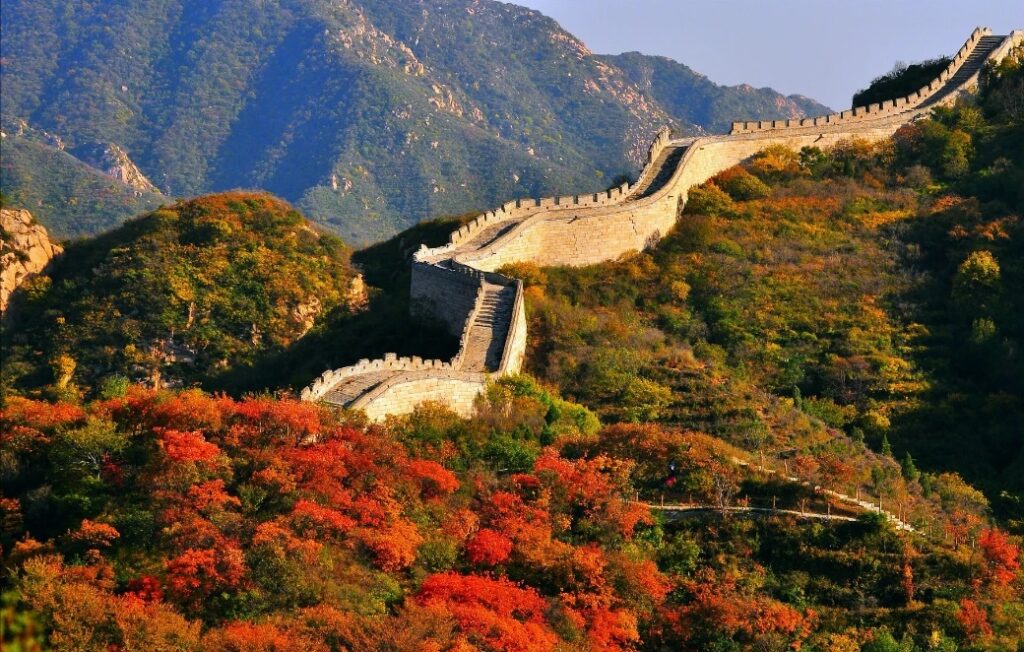
As one of the most magnificent architectural wonders in human history, The Great Wall of China is an indispensable part of any beijing travel guide. Stretching across the northern mountains of Beijing like a giant dragon, it not only witnesses China’s long history but also offers breathtaking natural and cultural landscapes. This guide will answer all your key questions about the Great Wall and provide practical tips for exploring the most accessible and stunning sections around Beijing.
Key Questions About The Great Wall of China Answered
1. The Great Wall of China Location: Where to Find It Near Beijing?
The Great Wall of China is not a single continuous structure but a vast network of defensive walls spanning 15 provinces across northern China. For travelers visiting Beijing, the most popular and easily accessible sections are located in the northern suburban mountains of the city, within 60-130 kilometers from downtown Beijing. These include Badaling, Mutianyu, Simatai, and Jinshanling, each with its own unique features—from well-preserved and tourist-friendly paths to rugged, wild landscapes that appeal to adventure seekers.
2. The Great Wall of China Length: How Long Is It?
The total length of all historical sections of The Great Wall of China is a staggering 21,196.18 kilometers (about 13,171 miles). Among them, the Ming Dynasty Great Wall, which is the best-preserved and most famous part, stretches 8,851.8 kilometers from Hushan in Liaoning Province to Jiayuguan in Gansu Province. The Beijing section of the Ming Great Wall alone exceeds 550 kilometers, winding through six districts including Huairou, Miyun, and Yanqing.
3. The Great Wall of China Was Built to: What Was Its Purpose?
The primary purpose of The Great Wall of China was to serve as a military defensive barrier. As early as the Spring and Autumn Period (770-476 BC), individual states began building walls to defend against neighboring rivals and nomadic invasions from the north. After the unification of China by the Qin Dynasty (221-207 BC), Emperor Qin Shi Huang connected and expanded the existing walls of the Qin, Zhao, and Yan states to form the first “Great Wall” stretching thousands of miles. Throughout history, it also played a role in regulating border trade, controlling migration, and strengthening central government rule over frontier regions.
4. The Great Wall of China History: A Timeline of Construction
The Great Wall of China has a construction history spanning over 2,000 years, covering more than 20 dynasties from the Spring and Autumn Period to the Ming Dynasty (1368-1644 AD). The Qin Dynasty (221-207 BC) built the first large-scale unified Great Wall. The Han Dynasty (206 BC-220 AD) extended it westward to protect the Silk Road. The Ming Dynasty carried out the largest-scale renovations and expansions, creating the well-preserved brick-and-stone structure we see today, featuring innovative designs like hollow watchtowers for troop accommodation and weapon storage. The construction finally ceased in the late Ming Dynasty, making it a silent witness to the rise and fall of Chinese imperial dynasties.
5. The Great Wall of China Project: A Feat of Ancient Engineering
The Great Wall of China project is one of the largest and most arduous construction endeavors in human history. Ancient workers built the wall by hand, using local materials such as earth, stone, brick, and even reeds and willow branches in desert areas. They adhered to the concept of “harmony between humans and nature,” integrating the wall with natural terrain like mountains, valleys, and rivers to maximize its defensive effect. The Ming Dynasty Great Wall, in particular, showcased advanced engineering skills with features like crenellations, watchtowers, beacon towers, and moats, forming a comprehensive military defense system. It’s estimated that millions of laborers participated in its construction over the centuries.
6. The Great Wall of China From Space: Is It Visible?
A common myth is that The Great Wall of China is the only man-made structure visible from space with the naked eye. However, this is not true. Astronauts have confirmed that the Great Wall is not distinguishable from low Earth orbit without the aid of telescopic equipment, as its color and texture blend with the surrounding landscape. The myth likely originated from early 20th-century claims, but modern space exploration has disproven it. Nevertheless, this does not diminish the Great Wall’s status as an extraordinary human achievement.
7. The Great Wall of China Facts: Surprising Insights
Here are some fascinating the great wall of china facts to enrich your visit: The Great Wall was inscribed on the UNESCO World Heritage List in 1987, recognized as the largest existing cultural heritage site in the world.There are over 43,000 relics related to the Great Wall, including walls, moats, watchtowers, beacon towers, and fortresses.The Beijing section of the Great Wall has 1,510 watchtowers and 165 beacon towers, demonstrating its dense defensive layout.Contrary to popular belief, the Great Wall was not always a continuous barrier—some sections use natural dangers like rivers and cliffs as part of the defense system.The Great Wall has inspired countless works of art and literature, becoming a symbol of Chinese nationhood and resilience.
8. The Great Wall of China For Kids: Family-Friendly Exploration
Exploring The Great Wall of China with kids can be an educational and exciting adventure. Choose family-friendly sections like Mutianyu, which offers cable cars for easy access and gentle slopes suitable for children. Here are some tips for a fun trip: Turn the visit into a game: Let kids count the number of watchtowers or look for unique brick patterns (some Ming Dynasty bricks have inscriptions).Bring snacks and water, and wear comfortable walking shoes—kids will need energy for climbing.Tell simple stories about the Great Wall’s history, such as how soldiers used beacon towers to send signals (lighting fires to warn of invasions).Visit during cooler months (spring or autumn) to avoid extreme heat, and plan for a 2-3 hour visit to prevent fatigue.
9. The Great Wall of China Map: Navigating Beijing’s Sections
A reliable the great wall of china map is essential for planning your trip. Most official tourism websites and guidebooks provide detailed maps of Beijing’s Great Wall sections. Key points to note: Badaling: Located 60km northwest of Beijing, it’s the most famous and accessible section, with well-paved paths and facilities (ideal for first-time visitors and those with limited mobility).Mutianyu: 73km from Beijing, known for its stunning scenery and fewer crowds than Badaling; features a cable car and toboggan for a fun descent.Simatai: 120km from Beijing, adjacent to Gubei Water Town; offers a mix of restored and wild sections, and beautiful night views with illuminated walls.Jinshanling: 130km from Beijing, renowned for its well-preserved Ming Dynasty architecture and panoramic views (great for hiking and photography). You can also find interactive the great wall of china map online with navigation, ticket booking links, and nearby attraction information.
Practical Travel Tips for Visiting Beijing’s Great Wall Sections
Best Time to Visit
The best time to visit the Great Wall near Beijing is spring (March-May) and autumn (September-November), when the weather is mild and the scenery is stunning—cherry blossoms in spring and red leaves in autumn add extra beauty to the landscape. Avoid summer (July-August) due to extreme heat and heavy rains, and winter (December-February) if you dislike cold weather, though the snow-covered Great Wall is a magical sight for adventurous travelers. Weekends and national holidays (e.g., National Day, Spring Festival) are extremely crowded, so plan to visit on weekdays if possible.
Transportation Options
- Public Transport: Take a bus from Beijing’s Dongzhimen Bus Station to sections like Badaling and Mutianyu (affordable but may be crowded).
- Tour Bus: Book a guided tour with round-trip transportation (convenient, as tours often include tickets and a guide).
- Private Car/Taxi: Hire a private car or taxi for flexibility, especially if visiting less accessible sections like Jinshanling (negotiate the fare in advance).
- High-Speed Train: Take the high-speed train from Beijing North Station to Yanqing, then transfer to a bus to Badaling (fast and comfortable).
Ticketing & Entry Information
Ticket prices vary by section: Badaling and Mutianyu tickets are around 40-60 RMB (peak season) and 35-45 RMB (off-season). Additional fees apply for cable cars, toboggans, or shuttle buses. It’s recommended to book tickets online in advance through official websites or authorized platforms, especially during peak seasons, to avoid long queues. Foreign visitors can use their passports to book tickets. Note that some wild sections (e.g., unrestored parts of Simatai) are closed to the public for safety reasons—always stick to designated tourist areas.
Cultural Etiquette & Safety Notes
- Respect the Heritage: Do not carve on the walls, litter, or damage any relics. The Great Wall is a protected cultural site, and vandalism is illegal.
- Dress Appropriately: Wear comfortable walking shoes and loose, breathable clothing. Bring a hat, sunscreen, and insect repellent in summer, and warm layers in winter.
- Stay Hydrated & Fuel Up: Bring plenty of water and snacks, as food options on the Great Wall are limited and expensive.
- Safety First: Stick to marked paths, especially in wild sections. Be cautious on steep slopes and wet surfaces. If hiking, inform someone of your route and expected return time.
- Hire a Guide: Consider hiring a local guide to learn about the Great Wall’s history and stories—many guides speak English and can enhance your experience.
Combination Tours: Great Wall + Nearby Attractions
Maximize your trip by combining a Great Wall visit with nearby attractions: Simatai + Gubei Water Town: After exploring Simatai Great Wall, visit Gubei Water Town, a charming ancient town with canals, traditional architecture, and delicious local snacks (try bridge cakes and roasted pears). Don’t miss the night water show and illuminated Simatai Great Wall.Jinshanling +司马台: Hike the 10-kilometer trail between Jinshanling and Simatai (requires 3-4 hours), enjoying pristine views of the Great Wall winding through mountains.Badaling + Ming Tombs: Visit the Ming Tombs (the mausoleums of 13 Ming Dynasty emperors) on the way back from Badaling for a deeper dive into Chinese imperial history.
Conclusion
Visiting The Great Wall of China is a once-in-a-lifetime experience that connects you with China’s ancient history and remarkable engineering prowess. Whether you choose a family-friendly section like Mutianyu, a scenic spot like Simatai, or a hiking paradise like Jinshanling, you’ll be amazed by the grandeur of this iconic landmark. With this beijing travel guide, you’re well-prepared to embark on an unforgettable journey to explore The Great Wall of China and create lasting memories.