
Copper Pot Hot Pot: Gather Around the Stove, Simmering Beijing’s Winter Warmth and Camaraderie
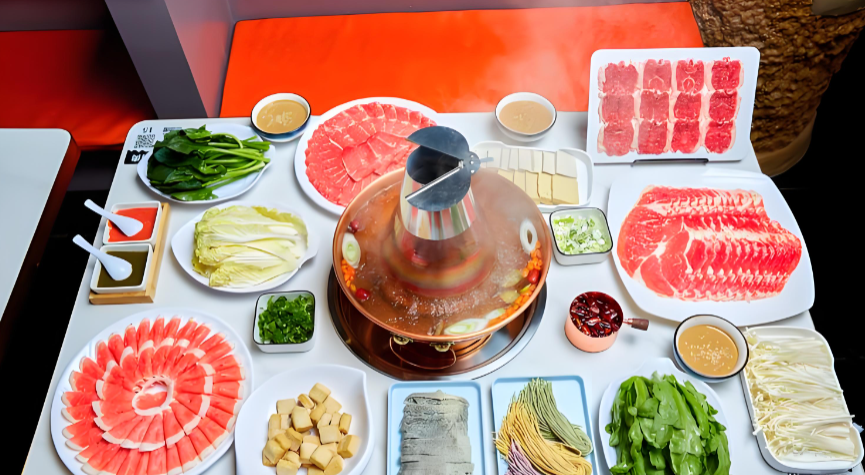
When the cold wind of Beijing sweeps over the gray bricks of hutongs and scatters the last remaining leaves on the branches, there is always a shiny purple copper pot waiting for diners amid curling smoke. This copper pot with a chimney in the middle is a culinary symbol of old Beijing’s winter and a carrier of warmth hidden in the market lanes. Gather around the stove, watch the charcoal crackle, and let the fresh lamb roll in the clear soup—what simmers is not only the satisfaction of the taste buds, but also the unique warmth and camaraderie of Beijing’s winter. For every traveler seeking authentic Beijing flavors, this copper pot hot pot is an indispensable heartwarming chapter in theBeijing travel guide.
The heritage of copper pot hot pot lies in centuries of historical accumulation. Its origin can be traced back to the Yuan Dynasty, when nomadic peoples quickly boiled lamb in copper utensils to keep out the cold. Later, it was introduced to the Beijing imperial court with the Manchu people’s entry into the pass, and gradually spread to the market, eventually becoming an authentic Beijing delicacy. Unlike the strong and bold Sichuan-Chongqing hot pot, old Beijing copper pot hot pot adheres to the principle of “simplicity is the ultimate sophistication”—a tradition deeply rooted in its essence. The pot must be made of purple copper, which conducts heat rapidly and evenly; the temperature of burning charcoal can instantly lock in the juice of the lamb, adding more rustic charm than modern cookware. The soup base only requires a bowl of clear water, seasoned with a few slices of ginger, sections of green onion and a handful of dried shrimps to enhance freshness. It rejects complicated seasonings that overpower the main flavor, aiming solely to highlight the pure sweetness of the lamb. This simplicity is exactly the essence of old Beijing’s food culture, allowing every diner to intuitively experience the purity of the ingredients.
An authentic copper pot hot pot experience is full of nuances from ingredients to eating methods—details worth savoring in the Beijing travel guide. Lamb is the absolute star, with a preference for young lambs from the Xilingol or Sonid Grasslands in Inner Mongolia, known for their tender meat and no muttony odor. The chef’s knife skills are even more extraordinary: hand-sliced lamb is as thin as cicada wings and as uniform as paper pulp. Laid on a blue and white porcelain plate, it can show the patterns on the bottom of the plate, and even “stand firmly on the plate”—a testament to its freshness. When boiling the meat, follow the rule of “seven dips up and eight dips down”: hold the meat slices with chopsticks and gently blanch them in boiling water for more than ten seconds. When the meat turns from pinkish white to light brown and curls slightly, it is perfectly cooked. At this time, coat it with a bowl of secret sesame paste sauce—based on a 2:8 ratio of sesame paste and peanut butter, mixed with fermented tofu sauce, chive flower paste, and sprinkled with chopped green onions and coriander. The rich, savory flavor collides with the tenderness of the lamb; take a bite of sweet, sour and crispy sweet garlic to cut through the greasiness, creating a layered taste experience that touches the heart.
More than the food itself, the atmosphere of gathering around the stove makes copper pot hot pot a unique memory of Beijing’s winter. Whether in the traditional charm of a century-old brand or the rustic warmth of a small shop deep in a hutong, every copper pot is surrounded by laughter and joy. The steam rising from the charcoal fogs up eyeglasses and draws people closer. Family and friends toast each other, chatting freely—no rigid etiquette, only pure intimacy and comfort. Nobles and commoners are equal before this pot, indulging in the steaming rustic charm. This tolerance and warmth are the most touching essence of Beijing.
To explore the most authentic experience, the Beijing travel guide can be your compass. Donglaishun, a century-old restaurant founded in 1903, is a reliable choice, famous for its Sonid lamb and secret sesame paste, with the most authentic Beijing flavor hidden in its traditional environment. Manhengji, tucked away in a hutong, is full of market charm—its hand-sliced lamb and award-winning sesame paste pancakes are a perfect match, and the waiters’ kind reminders feel like family. The Temple of Heaven branch of Nanmen Hot Pot combines flavor and scenery; after the meal, you can stroll under the red walls and take in the full charm of Beijing in winter.
On a cold winter day, a copper pot boils away time and warms the years. In the boiling clear soup simmers the purity of ingredients, the accumulation of history, and the enthusiasm of Beijingers. Gather around the stove—every bite of hot pot is wrapped in warmth and camaraderie. This is the most touching scene of Beijing’s winter, and the best annotation of taste and warmth in the Beijing travel guide.