
Bean Juice Travel Guide: Dare to Try Beijing’s Most Iconic Fermented Delight
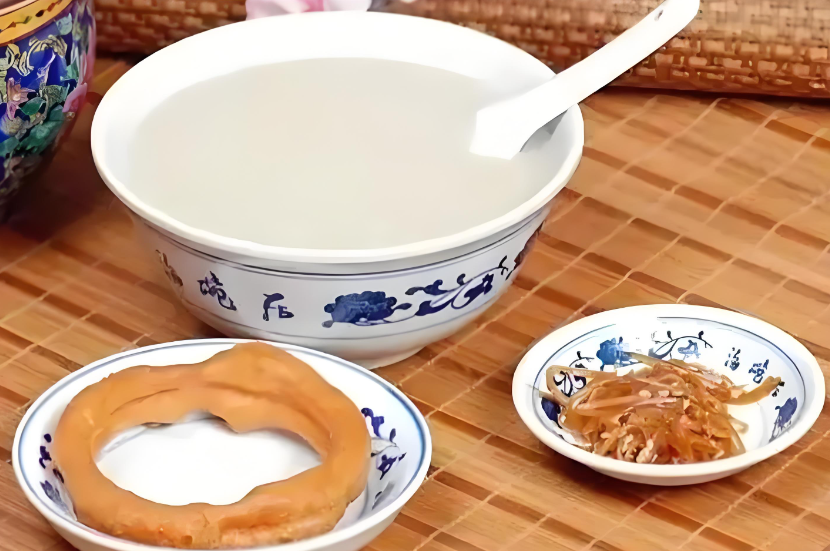
When exploring Beijing’s culinary scene, no beijing travel guide can ignore bean juice—a polarizing yet iconic traditional drink that’s often hailed as “the taste of old Beijing.” Unlike the universally beloved Peking duck, bean juice is an acquired taste, with a distinct sour aroma and flavor that divides first-time tasters. For adventurous foodies, sipping a bowl of bean juice with classic pairings is not just a meal, but a deep dive into Beijing’s folk culture. This guide will unravel everything about this unique drink, from its name and recipe to where to try it, and even its unexpected internet fame.
Essential Questions About Bean Juice Answered
1. Bean Juice Name: What’s in a Name, and Its Beijing Identity
First, let’s clarify bean juice name—the authentic Beijing bean juice is known as “Douzhir” in Pinyin, with the retroflex “r” sound emphasizing its local charm. Officially, it’s annotated as “Fermented bean drink” on English menus to help foreign visitors understand its nature. Importantly, Beijing’s bean juice is very different from the “bean juice” you might find in places like bean juice la crosse (a city in Wisconsin, USA). While bean juice la crosse typically refers to sweet or neutral soybean-based drinks, Beijing’s version is made from mung beans through fermentation, boasting a unique sour profile that’s exclusive to local culinary traditions. This name distinction is crucial to avoid confusion when seeking the authentic Beijing experience.
2. Bean Juice Recipe: The Art of Fermentation
The traditional bean juice recipe is a labor of patience, rooted in centuries-old craftsmanship. Historically, it originated as a byproduct of mung bean starch production for cellophane noodles. Here’s a simplified breakdown of the authentic process:
- Ingredients: High-quality plump mung beans and water (no additional additives for traditional versions).
- Steps: First, soak and grind the mung beans into a paste, then filter to separate the starch (used for noodles) and the remaining liquid residue. The residue is left to ferment naturally in a warm environment—this step is critical, as fermentation duration determines the sour intensity. After fermentation, the liquid is filtered again to remove impurities, then gently boiled to mellow the flavor and sterilize it. The final bean juice has a pale grayish-yellow hue and a characteristic sour aroma.
For home cooks curious to replicate it, modern simplified bean juice recipe versions exist, but note that achieving the authentic sourness and texture is challenging without traditional fermentation know-how. Interestingly, some creative cooks even explore bean juice egg substitute uses, though this is far from traditional and more of a modern experimental trend.
3. Bean Juice Benefits: Why Locals Love This Sour Drink
Beyond its cultural significance, bean juice benefits are a key reason it has been cherished by Beijingers for over 300 years. Made from mung beans, it’s rich in protein, vitamin C, and dietary fiber. Traditionally, it’s believed to clear summer heat, improve digestion, invigorate the spleen, and detoxify the body—making it a refreshing choice in hot weather and a nourishing option in winter. For locals, a bowl of hot bean juice on a cold morning is not just comforting but also a way to boost vitality, aligning with the concept of “food as medicine” in Chinese culture.
4. Bean Juice Judgment: To Love or Hate? A Polarizing Taste Experience
Bean juice judgment is notoriously divided—there’s rarely a middle ground. First-time tasters often react strongly to its sour, slightly pungent aroma, which some compare to fermented vegetables or sourdough. However, locals and seasoned fans appreciate its complex flavor: the initial sourness gives way to a subtle bean sweetness, especially when paired with classic accompaniments like crispy fried dough rings (jiaoquan) and salted pickles (xiancai). The key to enjoying bean juice is to approach it with an open mind—don’t take a large sip first; start with a small taste, and let your palate adjust. Many travelers who initially hesitated end up finding it surprisingly addictive!
5. Bean Juice Meme: The Unexpected Internet Fame
In recent years, bean juice meme has become a popular trend on social media. Videos of first-time drinkers’ funny reactions—wrinkled noses, wide eyes, and even playful “regret”—go viral, turningbean juice into a “challenge food” for travelers. These memes often highlight the contrast between locals’ fondness and foreigners’ surprise, making bean juice a viral symbol of Beijing’s unique culinary culture. Joining the bean juice meme trend by sharing your own tasting experience has become a fun way for travelers to document their Beijing adventure.
Where to Try Bean Juice in Beijing: From Traditional Shops to Creative Cafés
1. Traditional Bean Juice Shops (Authentic Flavor)
For the most authentic experience, head to time-honored shops where bean juice is made the traditional way. These spots typically have simple menus focused on classic pairings:
- Yin San Douzhi (尹三豆汁): A local favorite in Dongxiaoshi Street, known for its robust, tangy bean juice made with aged fermentation starters. The bean juice menu here is straightforward: hot or cold bean juice, paired with crispy jiaoquan and shredded pickles. It’s a no-frills spot popular with locals, open early for breakfast.
- Laociqikou Douzhi Dian (老磁器口豆汁店): With a history dating back decades, this shop near Temple of Heaven offers consistent, milder bean juice (more approachable for first-timers). Its bean juice menu also includes other old Beijing snacks like sugar-fried chestnuts and pea jelly, perfect for a full local breakfast.
- Huguosi Snack Shop (护国寺小吃店): A chain with multiple branches, ideal for travelers staying in different districts. Its bean juice menu is clearly annotated in English, and the shop offers combo sets (bean juice + jiaoquan + pickles) that are convenient for tourists. It’s also where you can try other classic Beijing snacks in one stop.
2. Bean Juice Cafe: Creative Twists for the Adventurous
For those who want to try bean juice in a more familiar setting, bean juice cafe has emerged as a trendy option in Beijing. These cafes blend traditional bean juice with modern drinks, creating unique fusion creations:
- Zai Jiuye Coffee (再就业咖啡): A retro-style bean juice cafe near Jingshan Park, famous for its “Douzhi Americano”—a mix of bean juice and coffee that balances sourness and bitterness. The bean juice menu here also includes other creative blends, and the cozy, Beijing-themed decor makes it a great spot for photos.
- Xingshun Zhai (兴顺斋): A century-old shop in Niujie that’s reinvented bean juice into ice cream. Their bean juice menu features original and sea salt-flavored bean juice ice cream, which dilutes the sourness with creaminess, making it a more approachable introduction to the flavor.
Practical Tips for Enjoying Bean Juice in Beijing
1. How to Eat Bean Juice Like a Local
The correct way to enjoy bean juice is to pair it with jiaoquan and shredded pickles. Follow these steps: Tear the crispy jiaoquan into small pieces, dip them in thebean juice to soften slightly, then take a bite with a pinch of pickles. The saltiness of the pickles and the crunch of the jiaoquan balance the sourness of the bean juice, creating a harmonious flavor combination. Never add sugar—this is considered a “blasphemy” to the traditional taste!
2. Reading the Bean Juice Menu
Most traditional shops have simplebean juice menu, but larger chains and bean juice cafe offer more options. Look for these key terms on the bean juice menu: Hot Douzhir (热豆汁): The classic choice, especially in cold weather, with a warmer, more intense flavor.Cold Douzhir (凉豆汁): Refreshing in summer, with a crisper sourness.Douzhi Combo (豆汁套餐): Typically includes bean juice, jiaoquan, and pickles—great for first-timers. Atbean juice cafe, don’t hesitate to ask the staff for recommendations—they’ll help you choose a fusion drink that suits your taste.
3. Budget & Etiquette
Bean juice is an affordable treat: a bowl of traditional bean juice costs 3-8 RMB, and a combo set is around 10-20 RMB. Atbean juice cafe, fusion creations range from 20-40 RMB. When dining at traditional shops, note that it’s a casual, no-frills atmosphere—locals often stand or sit on simple stools while eating, which is part of the authentic experience. Don’t be afraid to ask locals for tips on how to enjoy it; they’ll be happy to share their love for this classic drink.
4. Making Bean Juice at Home: Simple Recipes
If you fall in love with bean juice and want to replicate it at home, here are two options: Authentic Bean Juice Recipe (Simplified): Soak 500g mung beans overnight, grind into a paste, filter to get the liquid residue. Ferment the residue in a warm place (25-30°C) for 24-48 hours until sour. Filter again, then boil gently for 5-10 minutes. Serve hot with pickles and fried dough.Easy Noodle Sauce Recipes with Few Ingredients (Bean Juice Twist): For a creative use, mix 2 tablespoons of boiled bean juice with 1 tablespoon soy sauce, 1 teaspoon sesame oil, and a pinch of salt to make easy sauce for noodles. It adds a unique sour-umami flavor to simple fried noodles or cold noodles—perfect for those who want to incorporate bean juice into everyday meals. While bean juice egg substitute is sometimes mentioned online, this is not a traditional or widely recommended use, as it alters the original flavor and nutritional properties significantly.
Combining Bean Juice with Beijing Sightseeing
Make the most of your beijing travel guide by combining a bean juice tasting with nearby attractions:Old Ciqikou Douzhi Dian + Temple of Heaven: After tasting bean juice, walk 10 minutes to the Temple of Heaven to explore the grand imperial sacrificial complex.Yin San Douzhi + Qianmen Hutong Tour: Wander through the ancient alleyways of Qianmen after your meal, visiting traditional shops and folk craft stalls.Zai Jiuye Coffee + Jingshan Park: Enjoy a bean juice Americano at the cafe, then climb Jingshan Park for a panoramic view of the Forbidden City’s golden roofs.ConclusionTrying bean juice is a rite of passage for any traveler seeking to experience the real Beijing. Whether you end up loving it or not, the bean juice judgment process is part of the fun, and sharing your reaction might even make you part of the next bean juice meme! Beyond its polarizing taste, bean juice carries the history and warmth of old Beijing, connecting you with the city’s folk culture in a way that iconic landmarks can’t. With this guide, you’re ready to dare to take the first sip, savor the tradition, and create a unique memory of your Beijing journey. Cheers to new culinary adventures!