
A Bowl of Almond Tofu: From Imperial Dessert to Street Snack, Elegance and Simplicity on the Tongue
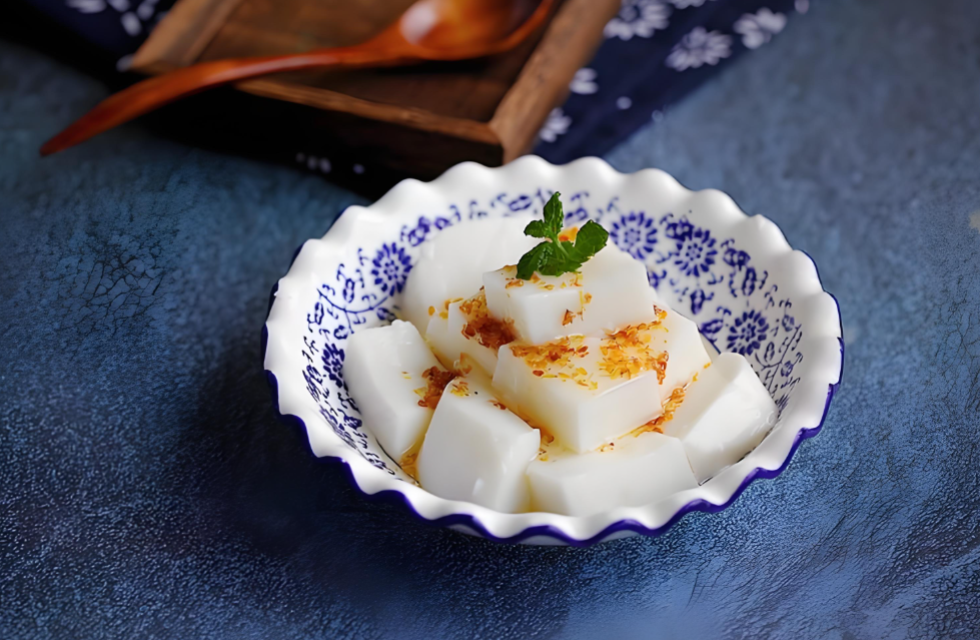
In the rich tapestry of Beijing’s culinary heritage, few desserts embody the city’s dual charm—imperial grandeur and grassroots warmth—like almond tofu. Silky smooth, subtly nutty, and delicately sweet, this timeless treat has journeyed through centuries, evolving from a luxurious delicacy reserved for Qing Dynasty emperors to a beloved street snack enjoyed by locals and travelers alike. For anyone immersed in Beijing tourism, almond tofu is more than a post-meal indulgence; it’s a flavorful portal into the city’s history, where elegance and simplicity harmonize on the tongue.
The origins of almond tofu are steeped in ancient Chinese court culture, though its exact roots remain a topic of gentle debate. Some historical records trace its earliest iterations to the Tang Dynasty (618–907 AD), where it was a prized dish among nobles, crafted with rare ingredients to showcase wealth and refinement. It rose to greater prominence during the Qing Dynasty (1644–1912), when imperial chefs perfected the recipe to suit the sophisticated palates of the imperial family. Back then, authentic almond tofu was made with bitter almond powder—costly and labor-intensive to process—blended with rock sugar and agar-agar, a natural seaweed-based gelling agent. Unlike the heavy, sugar-dense desserts of the West, imperial almond tofu celebrated subtlety: the pure, aromatic flavor of almonds took center stage, balanced by a light sweetness that never overwhelmed the palate.
As dynasties fell and times changed, almond tofu gradually left the confines of the imperial palace and made its way into the bustling streets of Beijing. Street vendors adapted the recipe to be more accessible, replacing some bitter almond powder with sweet almond milk for a milder, more approachable taste, and using affordable gelling agents without sacrificing texture. Yet they preserved the dessert’s core essence: a jiggly, silky texture that melts effortlessly in the mouth, paired with simple toppings that enhance rather than overshadow its natural flavor. This democratization turned almond tofu into a staple of Beijing’s street food scene, enjoyed by people of all ages and backgrounds—a true embodiment of “elegance shared by both the refined and the common.”
What makes almond tofu uniquely captivating is its perfect balance of simplicity and versatility. The traditional preparation begins with blanching almonds to remove their bitter skins, then grinding them into a smooth paste or milk. This almond base is simmered with sugar and agar-agar, poured into shallow bowls or molds, and chilled until set. The result is a translucent, ivory-hued dessert with a texture reminiscent of soft tofu—hence the name “tofu,” though it contains no soy whatsoever. In Beijing, the way it’s served is what sets it apart: most commonly drizzled with osmanthus syrup, whose fragrant, floral notes complement the nuttiness beautifully. Other popular toppings include chewy red beans, candied hawthorns (a classic Beijing snack), crushed peanuts, or sesame seeds, each adding a distinct layer of flavor and texture.
For travelers exploring Beijing tourism, the best places to savor almond tofu reflect its dual identity, offering either a taste of imperial elegance or authentic street-style warmth. For a refined experience, head to historic teahouses like Laoshe Teahouse or Huguang Guild Hall, where almond tofu is served in delicate porcelain bowls, garnished with fresh osmanthus flowers and accompanied by a pot of jasmine tea. Here, the dessert is enjoyed slowly as part of a traditional tea ceremony, allowing you to savor its subtle flavors while soaking in the ambiance of old Beijing—wooden furniture, soft music, and the gentle clink of teacups.
For a more immersive, local experience, wander the labyrinthine hutongs around Qianmen, Shichahai, or Nanluoguxiang. Look for small stalls with handwritten signs or vendors pushing wooden carts—these are the spots where locals gather for a quick, affordable bowl of almond tofu. A hidden gem is the family-run stall near Beihai Park, which has been serving the dessert for over 50 years. Their version is straightforward yet unforgettable: silky almond tofu, a light drizzle of osmanthus syrup, and a handful of tangy candied hawthorns, creating a perfect harmony of sweet, sour, and nutty flavors. Eating it while sitting on a small stool by the street, surrounded by the sounds of hutong life—children laughing, vendors calling out, bicycles rattling by—is a memory that captures the true spirit of Beijing.
Almond tofu also offers a window into Beijing’s seasonal culinary traditions, adapting to the rhythms of nature throughout the year. In autumn, when osmanthus flowers bloom across the city, vendors infuse their syrup with fresh blossoms, infusing the dessert with a fragrant, seasonal aroma. In winter, it’s often served slightly warmer (though still chilled) to avoid being too harsh on the palate, paired with a bowl of warm red bean soup for a comforting treat. This adaptability is a hallmark of Beijing’s food culture, where ingredients and preparations honor the changing seasons.
Beyond its delicious taste, almond tofu encapsulates the soul of Beijing—a city that reveres its imperial past while embracing the warmth of everyday life. It’s a dessert that transcends language barriers; its delicate texture and subtle flavor appeal to palates from around the world. For travelers, it’s a gentle reminder that Beijing tourism is not just about visiting iconic landmarks like the Forbidden City or the Great Wall. It’s about savoring the small, authentic moments—the warmth of a street stall, the fragrance of osmanthus syrup, the silky bite of almond tofu—that make the city feel like home.
Whether enjoyed in a grand teahouse or a humble hutong stall, a bowl of almond tofu tells a story of Beijing—its history, its people, and its ability to blend elegance with simplicity. It’s a sweet, subtle flavor that lingers long after the last bite, a memory of a city where the past and present meet on the tongue. For anyone seeking to experience the true heart of Beijing, almond tofu is an unmissable part of the journey.