
Rolling Donkey (Lv Da Gun): Beijing’s Iconic Sweet Snack | Beijing Travel Guide
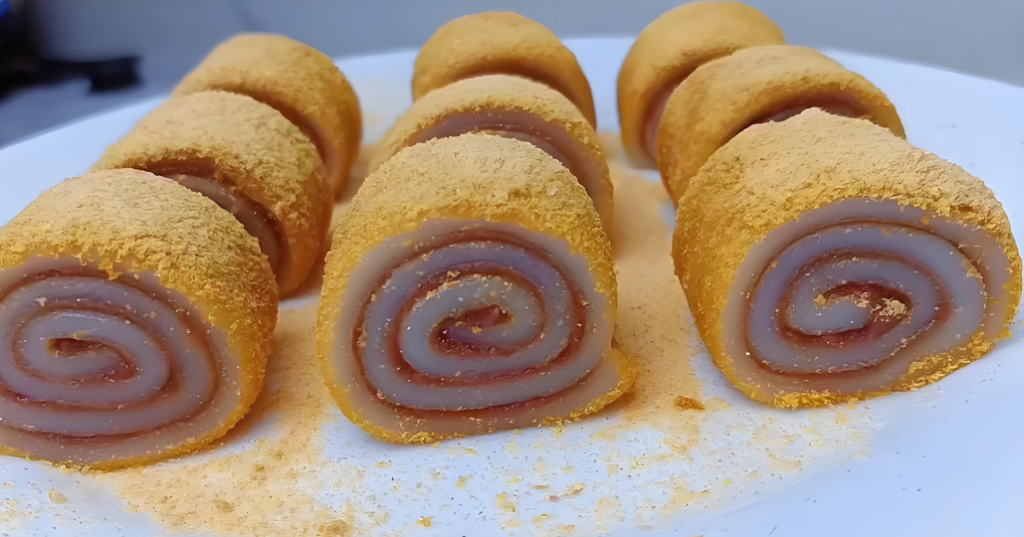
No beijing travel guide is complete without featuring Rolling Donkey (驴打滚, Lv Da Gun)—a beloved traditional rolling donkey sweet and rolling donkey snack that encapsulates old Beijing’s sweet culinary charm. Named for its final production step of being coated in soybean flour, resembling a donkey rolling on the ground and kicking up dust, this glutinous treat has delighted locals and visitors for centuries. With its soft, chewy texture and rich bean flavor, it’s a must-try for anyone with a sweet tooth exploring Beijing. This guide will unravel its origins, share an easy rolling donkey recipe, recommend top spots to enjoy it, and connect it with fun related elements like rolling donkey toy and rolling donkey tale of food.
The Story Behind Rolling Donkey: From Manchu Origins to Beijing Staple
The rolling donkey tale of food dates back to the Manchu people, with roots in northern China’s nomadic culture before spreading to Beijing during the Qing Dynasty. As imperial cuisine blended with local flavors, this humble glutinous snack became a staple in Beijing’s hutongs and pastry shops. The name “Rolling Donkey” is not just vivid but also tells the story of its making—after rolling the glutinous rice and red bean filling into a log, it’s rolled in fine soybean flour, mimicking a donkey rolling on the ground and covering itself in “dirt” (soybean flour).
Today, Rolling Donkey is more than just a snack—it’s a cultural symbol of Beijing’s culinary heritage. It even inspired playful derivatives like rolling donkey toy, small plush toys shaped like the snack or little donkeys in rolling poses, popular among tourists as souvenirs. For food enthusiasts, there’s also rolling donkey gulu—a casual term used by locals to describe the soft, glutinous “gulu” texture when biting into the snack, highlighting its unique mouthfeel.
What Makes Rolling Donkey Special? Texture & Flavor
As a classic rolling donkey sweet and rolling donkey snack, Rolling Donkey stands out for its layers of texture and balanced sweetness. Unlike overly sugary desserts, it relies on natural bean flavors and glutinous rice’s inherent sweetness, making it a crowd-pleaser even for those who prefer milder treats.
Key Components & Unique Traits
- Glutinous Rice Layer: The base is made from steamed glutinous rice (or yellow rice flour), which is soft, chewy, and slightly elastic. It’s the foundation of the snack’s signature rolling donkey gulu texture.
- Red Bean Filling: A smooth, sweet red bean paste (sometimes mixed with osmanthus or sugar) is spread inside, adding a rich, earthy sweetness that complements the rice. High-quality fillings are not overly sweet, letting the bean flavor shine.
- Soybean Flour Coating: The final step of rolling in roasted soybean flour gives the snack a golden hue, nutty aroma, and a slight dryness that balances the glutinous texture. This is the key element that gives Rolling Donkey its name, evoking a donkey rolling on the ground.
- Rolling Donkey Tongue: A popular variation, rolling donkey tongue is a longer, thinner version of the snack, shaped like a tongue. It has the same ingredients but offers a more concentrated bite of filling and bean flour, loved by locals for its便携性 (portability).
A fun trivia: Some creative brands have even launched rolling donkey bowling bag—a playful accessory shaped like the snack, perfect for carrying small items and doubling as a unique souvenir for food lovers.
Easy Rolling Donkey Recipe: Make It at Home
You don’t have to visit Beijing to enjoy this delicious snack—try this simple rolling donkey recipe at home. It’s beginner-friendly and uses accessible ingredients, capturing the authentic flavor of the classic rolling donkey sweet.
Ingredients (Serves 4-6):
- 150g glutinous rice flour
- 30g cornstarch (for dusting, to prevent sticking)
- 160ml warm water
- 100g red bean paste (store-bought or homemade)
- 80g roasted soybean flour (can roast raw soybean flour in a pan over low heat for 5-8 minutes until fragrant)
- Optional: 10g sugar (to add to rice flour for extra sweetness)
Steps:
- Mix glutinous rice flour and sugar (if using) in a bowl. Gradually add warm water, stirring with chopsticks until it forms a smooth batter without lumps.
- Grease a plate with a little oil, pour the batter into it, and smooth the surface. Steam over high heat for 20 minutes until the rice cake is fully cooked (it will turn translucent and firm).
- While the rice cake is steaming, spread a thin layer of cornstarch on a clean surface to prevent sticking. Once the rice cake is done, transfer it to the surface while it’s still warm (it will be easier to roll).
- Dust a rolling pin with cornstarch, then roll the rice cake into a thin rectangular sheet (about 0.5cm thick). Be gentle to avoid tearing the soft dough.
- Evenly spread the red bean paste over the rice sheet, leaving a small border at the edges to prevent oozing when rolling.
- Starting from one long edge, tightly roll the rice sheet into a log, pressing gently to ensure it holds shape. This is the “rolling” step that gives Rolling Donkey its name, mimicking a donkey rolling on the ground.
- Sprinkle roasted soybean flour on a plate, then roll the log in the flour until it’s fully coated. Use a sharp knife to cut the log into 3-4cm sections (or longer for rolling donkey tongue).
- Serve immediately—enjoy the soft, chewy rolling donkey gulu texture and balanced sweet flavors!
Top Spots to Enjoy Authentic Rolling Donkey in Beijing
To taste the most authentic Rolling Donkey during your trip, head to these historic pastry shops and street stalls loved by locals. They’ve mastered the art of making this classic rolling donkey snack with traditional methods.
1. Daoxiangcun (稻香村) – The Iconic Pastry Chain
Daoxiangcun is a household name in Beijing for traditional snacks, and their Rolling Donkey is a bestseller. Made with high-quality glutinous rice and homemade red bean paste, it’s soft, not sticky, and full of bean flavor. They also offer rolling donkey tongue for a unique twist. Multiple locations across the city, including near Tiananmen Square and Wangfujing. Price: Around 3-5 RMB per piece.
2. Huguosi Snacks (护国寺小吃) – Local Favorite
A popular spot for Beijing’s classic snacks, Huguosi Snacks serves authentic Rolling Donkey alongside other treats like pea cake and fried dough twists. Their version is coated in fragrant soybean flour, with a generous amount of red bean filling. The location in Huguosi Street is convenient for tourists exploring Shichahai and nearby hutongs. Address: No. 93 Huguosi Street, Xicheng District.
3. Nanhong Street Snack Stalls (南横街小吃摊)
For a more casual, local experience, visit the snack stalls in Nanhong Street. These family-run stalls make Rolling Donkey fresh daily, with a chewier texture and stronger soybean flavor. Some stalls even have playful rolling donkey toy decorations, adding to the fun. Address: Nanhong Street, Xicheng District.
Insider Tips for International Visitors
- Texture Note:Rolling Donkey is glutinous, so eat it slowly to avoid choking. It’s best enjoyed fresh—avoid storing it for too long, as it will harden.
- Sweetness Level: As a rolling donkey sweet, it’s mildly sweet. If you prefer more sweetness, ask for extra red bean filling at some shops.
- Souvenir Idea: Look for rolling donkey toy or rolling donkey bowling bag at tourist markets like Panjiayuan Antique Market—they make unique gifts to remember your Beijing food adventure.
- Pairing Suggestion: Enjoy Rolling Donkey with a cup of jasmine tea to cut through the glutinous texture and balance the sweetness.
- Payment: All recommended spots accept WeChat Pay and Alipay. Carry small cash for street stalls.
Conclusion
Rolling Donkey is more than just a rolling donkey snack—it’s a delicious representation of Beijing’s culinary history and creativity. From its vivid name inspired by a donkey rolling on the ground to its soft rolling donkey gulu texture, every bite tells a story. Whether you’re making it at home with our rolling donkey recipe, savoring rolling donkey tongue at a local stall, or picking up a rolling donkey toy as a souvenir, this iconic sweet is a must-try for any traveler exploring Beijing. As a highlight in any beijing travel guide, it’s a sweet invitation to experience the city’s warm, traditional flavors.