
Luzhu Huoshao (Braised Pork Intestines with Baked Wheat Cake): Beijing’s Iconic Street Delicacy | Beijing Travel Guide
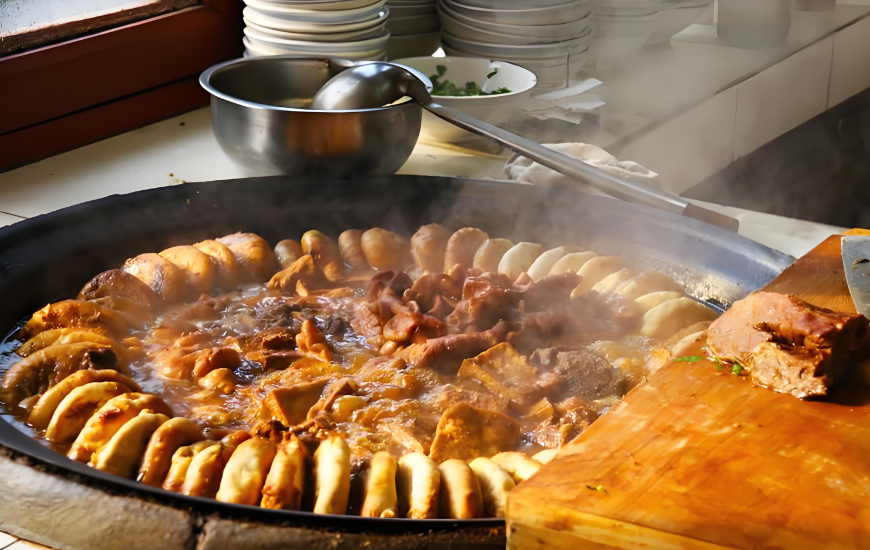
No beijing travel guide can fully capture the essence of the city’s culinary culture without featuring Luzhu Huoshao—an iconic, hearty street food that embodies old Beijing’s down-to-earth charm. Often hailed as “more authentic than Peking Opera” by locals, this dish originated from humble beginnings and has evolved into a beloved staple, cherished for its rich, umami-packed broth and tender ingredients. For adventurous food lovers, Luzhu Huoshao is a must-try, offering a unique taste of Beijing’s working-class history and traditional flavors. This guide will unravel its origins, break down its key components, recommend top spots to enjoy it, and share essential tips for international visitors.
The History of Luzhu Huoshao: From Imperial Cuisine to Street Food
Luzhu Huoshao’s story traces back to the Qing Dynasty, with roots in a royal dish called “Suzao Rou” (Su-style Braised Pork). Legend has it that during the Qianlong era, a court chef created Suzao Rou using pork belly and a blend of nine spices, which became a favorite of the emperor. However, this luxurious dish was too expensive for ordinary people to afford. By the late Qing and early Republic of China periods, street vendors adapted the recipe, replacing pricey pork belly with more affordable pig offal (intestines, lung) and adding baked wheat cakes to make it a filling, budget-friendly meal .
Over time, this adapted version evolved into Luzhu Huoshao as we know it today. It gained popularity in southern Beijing’s Nanhong Street and quickly spread across the city, becoming a go-to breakfast and lunch option for laborers, scholars, and locals alike. Unlike elaborate imperial dishes, Luzhu Huoshao’s appeal lies in its simplicity and bold flavors—each bowl tells a story of Beijing’s cultural fusion and resourcefulness.
What Makes Luzhu Huoshao Unique? Key Components & Flavors
Luzhu Huoshao’s magic lies in its perfect balance of textures and tastes, with each ingredient working in harmony to create a satisfying meal. Here’s a breakdown of its core components:
1. The Star Ingredients
- Pig Intestines & Lung: The heart of the dish. High-quality intestines are thoroughly cleaned to remove any gaminess, then braised for hours in a rich broth until tender but not mushy. Pig lung adds a subtle, earthy flavor and delicate texture, absorbing the broth’s aromas perfectly .
- Baked Wheat Cake (Huoshao): Freshly baked wheat cakes are cut into a crisscross pattern (like a grid) to maximize their ability to soak up the savory broth. The cakes become soft and flavorful, yet retain a slight chewiness, adding a satisfying texture contrast .
- Old Tofu: Cubes of firm tofu are braised alongside the offal, soaking up the broth’s richness and adding a mild, creamy element to balance the bold flavors of the meat .
2. The Flavorful Broth
The broth is the soul of Luzhu Huoshao. Made by simmering pork bones, pig offal, and a blend of spices (including star anise, cinnamon, and ginger) for hours, it develops a deep, umami-rich flavor with a hint of saltiness. Authentic Luzhu Huoshao uses “laotang” (old broth)—a portion of the previous day’s broth is added to each new batch, creating a complex, layered taste that accumulates over time. This tradition is what makes each restaurant’s Luzhu Huoshao unique .
3. The Signature Condiments
Luzhu Huoshao is served with a set of condiments that let diners customize their bowl:
- Garlic Puree: Adds a pungent, aromatic kick that cuts through the richness of the broth.
- Chili Oil: For a spicy twist—perfect for those who enjoy a bit of heat.
- Fermented Tofu & Chive Flower Paste: Enhances umami and adds a subtle tanginess, balancing the dish’s saltiness .
Top Restaurants to Enjoy Authentic Luzhu Huoshao in Beijing
To experience the best Luzhu Huoshao, head to these historic spots loved by locals—they’ve mastered the art of braising and preserving the dish’s traditional flavors:
1. Xiao Chang Chen (小肠陈) – The Legendary Brand
With a history of over 100 years, Xiao Chang Chen is synonymous with authentic Luzhu Huoshao. Founded by a chef who perfected the recipe from imperial Suzao Rou, this restaurant has maintained its traditional cooking methods, using old broth and hand-cleaned intestines. Their Luzhu Huoshao is known for its tender intestines, flavorful broth, and perfectly soaked wheat cakes. Multiple locations across Beijing, with the flagship near Qianmen.Address: No. 18 Xianyukou Street, Dongcheng District. Price: Around 40-60 RMB per bowl.
2. Huifeng Mendin Bing Dian (惠丰门丁肉饼店)
A popular spot in Huguosi Street (a famous food street near Shichahai), this restaurant serves excellent Luzhu Huoshao alongside its signature mendin肉饼 (door-knob meat pies). Their version is slightly less greasy, making it a great option for first-time tryers. The location is convenient for tourists exploring Shichahai and the hutongs. Address: No. 67-69 Huguosi Street, Xicheng District. Business Hours: 6:30-9:30, 11:00-21:00 .
3. Nanhong Street Luzhu (南横街卤煮)
Located in Nanhong Street—the birthplace of Luzhu Huoshao—this small, family-run shop offers a truly authentic local experience. The broth here is rich and flavorful, with a perfect balance of spices. It’s a favorite among long-time Beijing residents, so expect a casual, no-frills atmosphere. Address: No. 36 Nanhong Street, Xicheng District.
Insider Tips for International Visitors
- Overcoming the “Offal Fear”: If you’re hesitant about pig intestines, start with a small bowl. The thorough cleaning and long braising process eliminate any gaminess, leaving only a savory, meaty flavor.
- Ordering Like a Local: Ask for a “regular bowl” (普通碗) and specify your condiment preferences. Locals often add a generous amount of garlic puree and a drizzle of chili oil for extra flavor.
- Saltiness Note: Authentic Luzhu Huoshao is slightly salty (due to the old broth). If you find it too salty, ask the server for a glass of warm water to balance the taste .
- Best Time to Visit: Most Luzhu Huoshao shops are busiest for breakfast and lunch (6:30-14:00). Visit early to enjoy the freshest batches, as the broth gets richer as the day goes on.
- Payment: All recommended restaurants accept WeChat Pay and Alipay. Carry small cash (10-50 RMB notes) for smaller street stalls.
Conclusion
Luzhu Huoshao is more than just a street food—it’s a cultural symbol of Beijing, representing the city’s ability to turn humble ingredients into a beloved delicacy. Whether you’re savoring a bowl in a historic restaurant or a local stall, this dish offers a unique, unforgettable taste of old Beijing’s culinary heritage. As a must-try in any beijing travel guide, it’s an invitation to step outside your comfort zone and experience the authentic, unpolished flavors that make Beijing’s food scene so special. Don’t miss the chance to indulge in this iconic dish during your trip!