
Copper Pot Hot Pot: Beijing’s Iconic Mutton Hot Pot Delicacy | Beijing Travel Guide
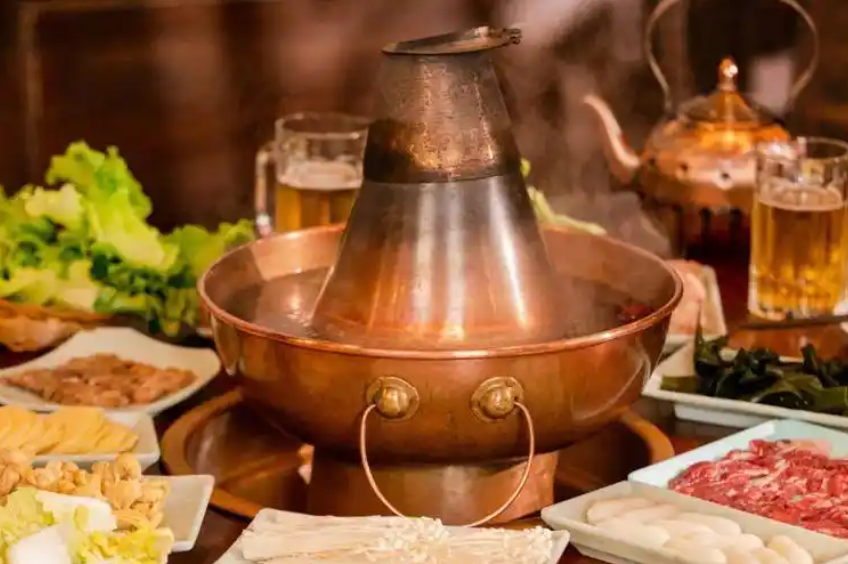
No beijing travel guide is complete without exploring copper pot hot pot—Beijing’s beloved interpretation of communal hot pot dining, deeply rooted in northern Chinese culture. Often linked to mongolian hot pot for its focus on high-quality lamb and simple broths, Beijing’s copper pot hot pot stands out with its clear soup base, hand-cut mutton, and iconic brass pot. This guide will unravel the history of copper pot hot pot, distinguish it from traditionalmongolian hot pot, share authentic recipes, recommend top restaurants, and cover all essential tips for international visitors.
Copper Pot Hot Pot vs. Mongolian Hot Pot: What’s the Difference?
While Beijing copper pot hot pot draws inspiration from mongolian hot pot, the two have distinct characteristics that reflect their cultural backgrounds:
- Mongolian Hot Pot: Originating from the nomadic lifestyle of Mongolia, mongolian hot pot traditionally uses a portable pot over charcoal, with a mongolian hot pot soup base often enriched with lamb bones, herbs, or milk to combat the cold. A Mongolian hot pot restaurant .Ulaanbaatar, Mongolia typically emphasizes hearty meats like lamb and beef, served with simple dipping sauces.
- Beijing Copper Pot Hot Pot: Adapted for imperial and urban dining, it uses a tall, cylindrical copper pot (with a chimney for charcoal) to maintain high heat. The broth is ultra-simple—usually just water, ginger, and green onions—to highlight the freshness of mutton. It’s paired with a complex sesame paste dipping sauce, a signature of Beijing’s culinary style.
For visitors familiar with spots like mongolian hot pot temecula Tasty Pot Temecula · Temecula, CA or mongolian hot pot nyc, Beijing’s copper pot hot pot offers a more minimalist, ingredient-focused experience, letting the quality of the mutton take center stage.
The Essence of Beijing Copper Pot Hot Pot
The charm of copper pot hot pot lies in its “simplicity with excellence”—every element, from the pot to the ingredients, is designed to elevate the flavor of mutton. Here’s what makes it unique:
1. The Iconic Copper Pot
Copper is the ideal material for this hot pot: it conducts heat evenly, retains temperature well, and adds a subtle metallic sweetness to the broth. The traditional design features a central chimney for charcoal, creating a nostalgic dining experience that’s hard to replicate with electric pots.
2. Clear Broth: The Test of Good Ingredients
Unlike the flavored mongolian hot pot broth, Beijing copper pot hot pot uses a “clear soup” base—pure water, a few slices of ginger, and green onions. This minimalist approach follows the local mantra: “Only good mutton dares to be boiled in clear water.” It’s a testament to the high quality of the mutton, as any imperfection would be noticeable.
3. Hand-Cut Mutton: A Culinary Art
The star mongolian hot pot ingredient—lamb—is treated with reverence in Beijing. Authentic copper pot hot pot uses hand-cut mutton (not machine-sliced), with thin, uniform pieces that cook in seconds. Top-grade mutton, often sourced from Inner Mongolia, is tender, juicy, and free of gamey flavors. Some renowned restaurants even offer specialty cuts like “crescent lamb” or “frosted lamb back,” showcasing centuries-old cutting techniques.
4. The Signature Dipping Sauce
While mongolian hot pot uses simple sauces, Beijing’s version pairs the mutton with a rich sesame paste sauce. The classic blend includes sesame paste, fermented tofu, chive flower paste, shrimp sauce, and a drizzle of sesame oil—balancing umami, saltiness, and aroma to complement the mild mutton.
Authentic Mongolian Hot Pot Recipe (Beijing-Inspired Version)
If you want to recreate the communal joy at home, this mongolian hot pot recipe blends the simplicity of Beijing copper pot with subtle Mongolian flavors. It’s easy to customize with accessible mongolian hot pot ingredients.
Mongolian Hot Pot Soup Base (Clear Version)
Ingredients (Serves 4):
- 2L water (or lamb bone broth for extra flavor)
- 4 slices ginger, 2 stalks green onion (tied in knots)
- 1 small cinnamon stick (optional, for mild fragrance)
- A pinch of white pepper
- Optional: 1 tbsp goji berries (for color and slight sweetness)
Steps:
- Bring water (or broth) to a boil in a copper pot or large pot. Add ginger, green onion, and cinnamon stick.
- Simmer on low heat for 10 minutes to infuse the flavors—do not over-season, as the goal is to highlight the meat.
- Add white pepper and goji berries (if using) before serving. Keep the broth simmering throughout the meal.
Essential Mongolian Hot Pot Ingredients
- Meats: Thinly sliced lamb (preferred), hand-cut beef, lamb ribs
- Veggies: Napa cabbage, spinach, mushrooms (shiitake, enoki), tofu skin, potato slices
- Starch: Vermicelli noodles (glass or sweet potato), taro balls
- Dipping Sauce: Mix 4 tbsp sesame paste, 1 tbsp fermented tofu, 1 tsp chive flower paste, 1 tsp light soy sauce, and a drizzle of sesame oil. Adjust with hot water to reach a smooth consistency.
Cooking Tips for Perfect Hot Pot
- Cook lamb slices for just 5-10 seconds—until they turn pale pink—to keep them tender.
- Add veggies and noodles after meats to avoid overcrowding the pot and lowering the temperature.
- Refill the pot with hot water (not cold) to maintain the broth’s temperature and flavor.
Top Restaurants for Copper Pot Hot Pot in Beijing
For visitors searching for mongolian hot pot near me in Beijing, these restaurants offer authentic copper pot hot pot with a touch of local flair:
1. Yangfang Shuanrou (阳坊涮肉)
A北京市级非物质文化遗产 (municipal intangible cultural heritage) brand, Yangfang Shuanrou is renowned for its 200-year-old mutton-cutting技艺 (craftsmanship). Their mongolian hot pot menu features hand-cut lamb, including the signature “one-meter lamb plate” and frosted lamb back. The mongolian hot pot soup base is clear and pure, pairing perfectly with their house-made sesame sauce. Multiple locations across Beijing, with the flagship in Changping District. Address: No. 18 Yangfang Middle Street, Changping District.
2. Man Heng Ji (满恒记)
A popular chain beloved by locals and tourists alike, Man Heng Ji serves high-quality hand-cut lamb that’s so tender it stands upright on the plate. Their mongolian hot pot broth follows the classic Beijing clear soup recipe, and the dipping sauce bar offers customizable options. With locations in Xicheng and Haidian Districts, it’s easily accessible from major attractions. Price: Around 80-100 RMB per person.
3. Tengger Hot Pot (腾格尔火锅店)
For a blend of Mongolian and Beijing styles, Tengger Hot Pot offers a mongolian hot pot soup base made with beef bones and 12 kinds of Chinese herbs. Their menu includes lamb spine pot and hand-cut beef, catering to those who prefer more flavorful broths. Address: No.44 South Panjiayuan East Road, Chaoyang District. Map Link.
Insider Tips for International Visitors
- Ordering Like a Local: Start with a plate of hand-cut lamb (手切鲜羊肉), add Napa cabbage (白菜) and vermicelli noodles (粉丝), and pair with the classic sesame sauce (麻酱蘸料). Avoid over-ordering—meats cook quickly, and you can add more as you go.
- Charcoal vs. Electric: Opt for charcoal-heated copper pots for an authentic experience, though electric versions are common in modern restaurants (and easier for groups).
- Spice Level: Beijing copper pot hot pot is not spicy, but you can add chili oil to your dipping sauce if you crave heat.
- Payment: Most restaurants accept WeChat Pay and Alipay, but carry cash for smaller establishments in hutongs.
Conclusion
Copper pot hot pot is more than a meal—it’s a cultural experience that embodies Beijing’s love for hearty, ingredient-driven cuisine. Whether you’re savoring hand-cut lamb in a historic restaurant, recreating the dish at home with our mongolian hot pot recipe, or comparing it to the flavors of mongolian hot pot temecula Tasty Pot Temecula · Temecula, CA, this dish offers a unique window into northern China’s culinary heritage. As a must-try in any beijing travel guide, it’s a delicious way to connect with Beijing’s history and enjoy a communal dining experience with friends and family.