
Summer Palace Beijing Travel Guide: Explore China’s Majestic Imperial Garden
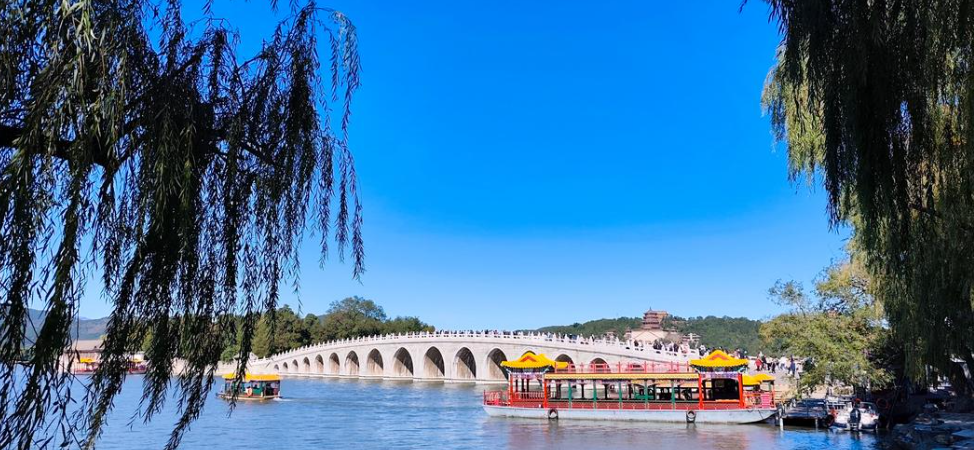
When compiling your beijing travel guide, the Summer Palace—officially known as summer palace beijing—stands out as an unmissable gem of imperial Chinese architecture and landscape design. As a UNESCO World Heritage Site and the largest and best-preserved imperial garden in China, this sprawling complex blends natural beauty with intricate man-made structures, offering visitors a glimpse into the opulent lifestyle of Qing Dynasty royalty. Whether you’re captivated by its storied past, eager to capture stunning summer palace photos, or simply looking to unwind amidst serene lakes and gardens, this guide covers all essential details, from tickets and opening hours to cultural insights and insider tips.
Summer Palace in Chinese: Name and Cultural Significance
First, let’s clarify summer palace in chinese—its official Chinese name is 颐和园 (Yíhéyuán). Breaking down the characters: “颐 (Yí)” means “to nurture or rest”, “和 (Hé)” signifies “harmony”, and “园 (Yuán)” translates to “garden”. Together, the name embodies the original purpose of the garden: a tranquil retreat for emperors and empresses to relax, recharge, and escape the summer heat of the Forbidden City. This name perfectly captures the essence of the space, where natural landscapes and architectural elegance coexist in harmony.
A Glimpse into Summer Palace History: From Qingyi Garden to Imperial Retreat
The Summer Palace’s history dates back to 1750, when it was first built as “Qingyi Garden” by Emperor Qianlong of the Qing Dynasty to celebrate his mother’s 60th birthday. Spanning 242 hectares (nearly 600 acres), with Kunming Lake accounting for about three-quarters of its area, the garden was a masterpiece of Chinese landscape gardening, integrating hills, water, pavilions, and corridors seamlessly. Tragically, it was destroyed by British and French troops during the Second Opium War in 1860. Later, in 1888, Empress Dowager Cixi diverted funds from the imperial navy to reconstruct and expand the garden, renaming it the “Summer Palace” as we know it today. This reconstruction restored its grandeur and solidified its status as a symbol of imperial power and artistic achievement.
Notably, the Summer Palace has historical ties to global cultures, including summer palace russia and summer palace vienna. During the late Qing Dynasty, the garden hosted foreign dignitaries from Russia and Austria-Hungary, with some diplomatic events even held in its grand halls. Additionally, the garden’s design philosophy—emphasizing harmony between humanity and nature—has drawn comparisons to Vienna’s Schönbrunn Palace and St. Petersburg’s Peterhof Palace, though the Summer Palace’s integration of natural waterways and traditional Chinese architectural elements makes it uniquely distinctive.
Must-See Sights: Capture Unforgettable Summer Palace Photos
The Summer Palace is vast, so planning your route with a summer palace map (available at the entrance or via the official app) is highly recommended. Below are the unmissable spots that are also perfect for summer palace photos:
1. Long Corridor (Changlang)
A signature attraction of the Summer Palace, the Long Corridor is the longest covered walkway in Chinese gardens, stretching 728 meters with 273 sections. What makes it truly remarkable is the over 8,000 colorful paintings adorning its beams and rafters, depicting scenes from Chinese mythology, history, and nature. The corridor’s red pillars and green railings contrast beautifully with the surrounding greenery, making it a favorite spot for photographers, especially during golden hour when the sunlight filters through the eaves.
2. Seventeen-Arched Bridge (Shiqikong Qiao)
Connecting the eastern bank of Kunming Lake to Nanhu Island, the Seventeen-Arched Bridge is a marvel of Qing Dynasty bridge architecture. As its name suggests, it features 17 elegant arches, and its railings are adorned with 544 stone lions, each with a unique posture. The best views of the bridge are from the shore at sunrise or sunset, when the golden light reflects off the lake, creating a picturesque scene that’s ideal for summer palace photos.
3. Tower of Buddhist Incense (Foxiangge)
Perched atop Wanshou Mountain (Longevity Hill), the Tower of Buddhist Incense is the tallest building in the Summer Palace and serves as its visual centerpiece. This 41-meter-tall tower features intricate Buddhist carvings and offers panoramic views of Kunming Lake, the Long Corridor, and the surrounding gardens. Climbing to the top is well worth the effort, as it provides a bird’s-eye view of the entire complex—perfect for capturing sweeping landscape photos.
4. Harmonious Interest Garden (Xiequyuan)
Known as the “Garden within a Garden”, the Harmonious Interest Garden is a serene retreat modeled after a classical Jiangnan (southern China) garden. With its winding paths, lotus ponds, and delicate pavilions, it offers a peaceful contrast to the grandeur of the main palace buildings. It’s an excellent spot for intimate photos and a quiet moment of reflection amidst the hustle and bustle of the larger garden.
Practical Information: Summer Palace Beijing Tickets, Opening Hours & More
To ensure a smooth visit, here’s all the essential practical information, including summer palace beijing tickets, summer palace beijing opening hours, and summer palace beijing hours (note: “opening hours” and “hours” refer to the same visiting timeframes, with details below):
Summer Palace Beijing Tickets
Summer palace beijing tickets consist of two types: a basic park ticket and a combined ticket (which includes entry to key attractions like the Tower of Buddhist Incense, Long Corridor, and Dehe Garden). Ticket prices vary by season:
- Peak season (April 1 – October 31): Basic ticket 30 RMB/person; combined ticket 60 RMB/person.
- Off-season (November 1 – March 31): Basic ticket 20 RMB/person; combined ticket 50 RMB/person.
Additional “garden-in-garden” tickets are available for specific attractions: Dehe Garden (5 RMB), Summer Palace Museum (20 RMB), Tower of Buddhist Incense (10 RMB), and Suzhou Street (10 RMB). Discounts are offered for children, students, and seniors (60+ years old with valid ID). It’s highly recommended to book tickets online in advance via the official website or authorized platforms, as on-site ticket queues can be long, especially during holidays.
Summer Palace Beijing Opening Hours (Summer Palace Beijing Hours)
Summer palace beijing opening hours (also referred to as summer palace beijing hours) vary by season, and it’s important to note the difference between park opening hours and attraction opening hours:
- Park opening hours (peak season): 6:00 – 20:00 (last entry at 19:00).
- Park opening hours (off-season): 6:30 – 19:00 (last entry at 18:00).
- Key attractions (e.g., Tower of Buddhist Incense, Long Corridor) opening hours (peak season): 8:00 – 18:00 (last entry at 17:30).
- Key attractions opening hours (off-season): 8:30 – 17:00 (last entry at 16:30).
Most attractions are closed on Mondays (except public holidays), so plan your visit accordingly. The best time to visit is early morning (7:00 – 9:00) when the park is less crowded, and the light is soft—perfect for photography and enjoying the serene atmosphere.
Summer Palace Map & Navigation Tips
A summer palace map is essential for navigating the vast complex. Free paper maps are available at the main entrances (East Gate, North Gate, and South Gate), or you can download the official Summer Palace app (available in English) for interactive navigation. The app also provides audio guides, attraction introductions, and real-time crowd information to help you plan your route efficiently. For first-time visitors, following the “central axis” route (East Gate → Long Corridor → Tower of Buddhist Incense → Kunming Lake → Seventeen-Arched Bridge) is recommended, as it covers all the main highlights without backtracking.
Summer Palace vs Forbidden City: What’s the Difference & How to Visit Both
Many travelers wonder about summer palace vs forbidden city—both are iconic imperial sites in Beijing, but they serve distinct purposes and offer unique experiences:
- Forbidden City: A walled imperial palace complex, serving as the political and residential center of Ming and Qing emperors. It’s known for its grand, symmetrical halls, red walls, and yellow glazed roofs, reflecting imperial power and formality.
- Summer Palace: An imperial garden retreat, designed for relaxation, entertainment, and escaping the heat. It emphasizes natural beauty, with lakes, hills, and winding paths, offering a more serene and scenic experience than the Forbidden City.
To visit both efficiently, you can plan a full-day itinerary: Start with the Forbidden City in the morning (opens at 8:30 AM), spend 3-4 hours exploring its main halls and museums, then take a 30-minute taxi or 50-minute bus (No. 690) from the Forbidden City’s North Gate to the Summer Palace’s East Gate. Visit the Summer Palace in the afternoon, when the golden light enhances the beauty of Kunming Lake and the gardens. This itinerary allows you to experience two sides of imperial Beijing—formality and relaxation—in one day.
Insider Tips for a Great Visit
- Photography spots: Besides the iconic Long Corridor and Seventeen-Arched Bridge, don’t miss the view of the Tower of Buddhist Incense from Kunming Lake (take a boat ride for the best angle). In spring (late April), the peach blossoms along the lake are in full bloom, creating a romantic backdrop for photos; in autumn (late October to early November), the ginkgo trees and maple leaves turn golden and red, offering stunning fall scenery.
- Boat rides on Kunming Lake: Exploring Kunming Lake by boat is a must-do experience. Options include paddle boats, rowboats, and large electric cruise ships. The 40-minute cruise from the East Bank to Nanhu Island provides beautiful views of the Seventeen-Arched Bridge and the surrounding landscape.
- Local snacks nearby: After your visit, head to the Shichahai area (a 20-minute taxi ride away) to try authentic Beijing snacks like jianbing (Chinese crepe), tanghulu (candied hawthorns), and lao Beijing douzhi (fermented bean juice).
- Etiquette reminders: The Summer Palace is a cultural heritage site—please keep your voice down, avoid climbing on ancient structures, and do not litter. Respect the local visitors who come here to practice tai chi, dance, or play traditional music in the morning.
Conclusion
The Summer Palace is more than just a tourist attraction—it’s a masterpiece of Chinese landscape gardening and a window into imperial history. Whether you’re wandering along the Long Corridor, admiring the view from the Tower of Buddhist Incense, or cruising on Kunming Lake, you’ll be captivated by its beauty and charm. As a must-visit in any beijing travel guide, this majestic garden offers a unique blend of history, culture, and natural serenity that will leave a lasting impression. Add it to your itinerary, and let theSummer Palace reveal the elegant side of Beijing to you.