
Peking Duck Travel Guide: Savor Beijing’s Iconic Cuisine
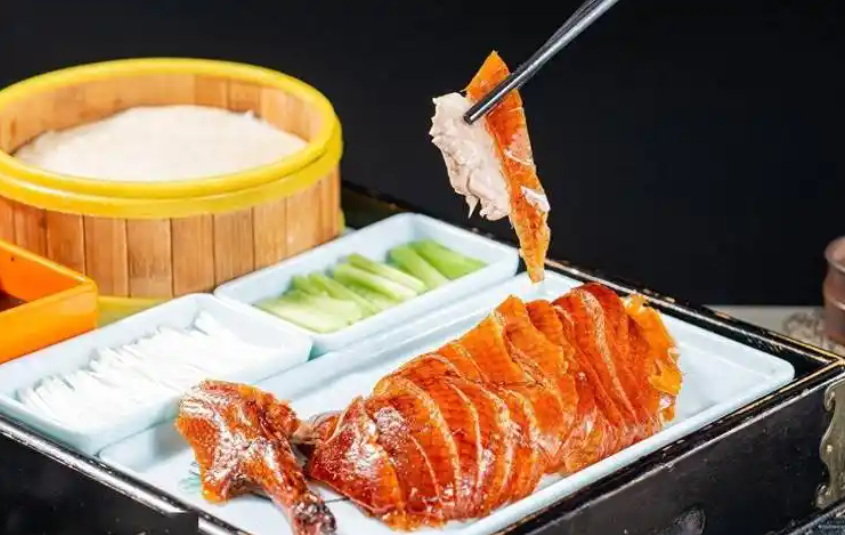
No beijing travel guide is complete without a deep dive intoPeking duck—the crown jewel of Chinese cuisine and a must-try experience for every visitor to the capital. Renowned for its crispy, golden skin and tender, juicy meat, peking duck in beijing is more than just a meal; it’s a cultural ritual that has delighted diners for over a thousand years. This guide will answer all your questions about Peking duck, from its history and preparation to finding the best spots to enjoy it, and even how it compares to other duck dishes around the world.
Essential Questions About Peking Duck Answered
1. What Is Peking Duck, and What Makes It Special?
Peking duck boasts a history of well over 1,000 years and is celebrated globally for its unique flavor and preparation process. The key to its excellence lies first in the careful selection of pekin ducks—a special breed that is force-fed a rich diet to ensure plump, tender meat. Unlike ordinary roast duck, Peking duck undergoes a meticulous preparation routine: air is pumped under the skin to separate it from the meat, creating that signature crispy texture; the duck is then glazed with a mixture of oil, sauce, and molasses, which gives it a bright red hue when cooked; before roasting, it’s half-filled with hot water to keep the meat moist during the 40-minute cooking process. The roasting wood is also carefully chosen—jujube, peach, or pear tree wood is preferred for its minimal smoke and sweet, aromatic scent, infusing the duck with a delicate fragrance. The result is a harmonious blend of crispy, paper-thin skin and succulent, mild-flavored meat that sets it apart from any other duck dish.
2. Peking Duck vs Roast Duck: What’s the Difference?
One of the most common questions is peking duck vs roast duck—are they the same? The short answer is no. These two beloved Chinese dishes originate from distinct culinary traditions and differ significantly in preparation, flavor, and serving style:
- Preparation Method: Peking duck requires a three-day process that includes air-pumping the skin, air-drying, and roasting in open ovens over fruit wood. Roast duck (such as Cantonese roast duck) uses a much faster method—marinating the duck in herbs and spices, stuffing it with aromatics, and roasting in closed ovens for about 40 minutes.
- Texture & Flavor: Peking duck features ultra-crispy, thin skin and tender, subtly sweet meat with a fruity aroma from the roasting wood. Roast duck has a thicker, less crispy skin and a richer, spicier flavor from the marinade and stuffing.
- Serving Style: Peking duck is typically brought to the table whole and carved tableside into thin slices. It is served with pancakes, hoisin sauce, scallions, and cucumber for rolling, creating an interactive dining experience. Roast duck is often chopped into larger pieces and served without sides, letting its bold, savory flavor take center stage.
While both are delicious, peking duck in beijing offers an elegant, ritualistic experience deeply tied to the city’s imperial culinary heritage.
3. Peking Duck Recipe: Can You Make It at Home?
Recreating an authentic peking duck recipe at home is challenging due to the complex preparation process and specialized equipment (like a wood-fired oven). However, simplified versions exist for home cooks. Key steps include: selecting a plump Peking duck (or a similar breed), gently pricking the skin to separate it from the meat (a substitute for air-pumping), marinating briefly in soy sauce and honey, air-drying for 24–48 hours, and roasting at high heat until the skin is golden and crispy. For the full experience, serve with homemade pancakes, hoisin sauce, and fresh vegetables. Keep in mind that authentic peking duck in beijing relies on years of chef expertise—from mastering the air-pumping technique to controlling the roasting temperature—so nothing beats tasting it at a traditional restaurant in the capital.
4. Peking Duck Beyond Beijing: Los Angeles, Rosemead, Irvine
If you’ve enjoyed Peking duck in cities like peking duck los angeles, peking duck rosemead, or peking duck irvine, you’re in for a treat when trying the authentic version in Beijing. While restaurants in these U.S. cities offer delicious adaptations, they often modify the recipe to suit local tastes—using different wood for roasting, adjusting the sauce’s sweetness, or simplifying the air-drying process. Authentic peking duck in beijing emphasizes the purity of the duck’s flavor, the delicate crispness of the skin, and the traditional tableside carving ritual, making it a one-of-a-kind experience that’s hard to replicate elsewhere. Think of your Beijing Peking duck meal as the gold standard against which all other versions are measured!
The Best Peking Duck in Beijing: Where to Go
1. Iconic Time-Honored Restaurants
- Quanjude: Founded in 1864, Quanjude is the most legendary Peking duck restaurant in Beijing, favored by heads of state and celebrities. Its wood-fired roast duck is crispy and aromatic, and the tableside carving show is a must-see. Multiple locations across the city, including near Tiananmen Square (convenient for tourists visiting central attractions).
- Da Dong: A modern classic, Da Dong is known for its lighter, healthier Peking duck (less oily) and elegant atmosphere. The duck skin is so crispy it melts in your mouth, and the restaurant offers creative side dishes using duck offal. Popular with both locals and international visitors; book in advance.
- Liqun Roast Duck: A more casual, budget-friendly option in the hutongs (traditional alleyways) of Qianmen. Founded by a former Quanjude chef, Liqun uses jujube wood for roasting, giving the duck a rich, sweet flavor. The rustic hutong setting adds to the authentic Beijing experience.
2. Peking Duck Near Me: Finding Spots Close to Your Hotel
For travelers looking for peking duck near me, Beijing has Peking duck restaurants in almost every district, especially near major tourist areas and hotels:
- Central Beijing (Tiananmen/Sanlitun): Quanjude (Tiananmen Branch), Da Dong (Sanlitun Branch) – ideal if you’re staying in the city center or exploring shopping areas.
- Chaoyang District (CBD/Embassy Area): Da Dong (Wangfujing Branch), Beijing Hotel’s Peking Duck Restaurant – great for business travelers or those staying in upscale hotels.
- Hutong Areas (Qianmen/Shichahai): Liqun Roast Duck, Bianyifang (Qianmen Branch) – perfect for combining a duck meal with a hutong tour.
Use map apps like Google Maps or Baidu Maps to search for peking duck near me – most restaurants list English menus and accept international credit cards. Many hotels also offer recommendations for nearby Peking duck spots, which is especially helpful for travelers with dietary restrictions or language concerns.
Practical Tips for Enjoying Peking Duck in Beijing
1. Dining Etiquette & How to Eat Peking Duck
Eating Peking duck is a hands-on, interactive experience! Follow these steps for the authentic way: Take a thin pancake and spread a small amount of hoisin sauce on it.Add 2–3 slices of duck skin (and a little meat, if you prefer) on top of the sauce.Add a few strips of scallion and cucumber for freshness and crunch.Roll the pancake tightly and eat it in one bite – this ensures you get all the flavors in every mouthful!Pro tip: Don’t waste the duck carcass! Many restaurants will make a delicious duck soup from it, which is served at the end of the meal to warm your stomach and round out the dining experience.
2. Reservations & Booking Tips
Popular Peking duck restaurants (like Quanjude and Da Dong) get crowded, especially during peak hours (6–8 PM) and weekends. It’s highly recommended to book a table in advance, either through the restaurant’s official website, a travel app, or your hotel concierge. If you’re traveling with a large group, mention this when booking to ensure a comfortable table. For foreign visitors, some restaurants offer English-speaking staff or translation services, so don’t hesitate to ask for help.
3. Budget & Pricing
The price of Peking duck in Beijing varies by restaurant:High-end restaurants (Quanjude, Da Dong): 300–600 RMB per duck (serves 2–3 people).Mid-range/casual spots (Liqun, local chain restaurants): 150–300 RMB per duck.Most restaurants charge per duck, not per person, so it’s more cost-effective to share with friends or family. Some places also offer set menus that include duck, side dishes, and soup, which is a great value for money.
4. Combining Peking Duck with Beijing Sightseeing
Make the most of yourbeijing travel guide by combining a Peking duck meal with nearby attractions – a popular choice in Beijing’s themed travel routes: Quanjude (Tiananmen Branch) + Tiananmen Square & Forbidden City: Enjoy duck after exploring Beijing’s most iconic landmarks – the restaurant is just a 10-minute walk from Tiananmen Square.Liqun Roast Duck + Qianmen Hutong Tour: After your meal, wander through the ancient alleyways of Qianmen, visit traditional shops, and try local snacks like sugar-fried chestnuts.Da Dong (Sanlitun Branch) + Sanlitun Shopping & Nightlife: After dinner, explore Sanlitun’s trendy boutiques, bars, and cafes for a taste of modern Beijing.Winter Special: Join the “Beijing Winter Feast” themed tour, which combines visiting the Great Wall or Imperial Palaces with a Peking duck feast, letting you savor seasonal flavors while exploring the city’s winter charm.ConclusionTrying peking duck in beijing is an unforgettable part of any trip to the capital. From the crispy, golden skin infused with fruit wood aroma to the tender meat and the interactive dining experience, it’s a culinary journey that connects you with China’s rich history and culture. Whether you’re a foodie, a history buff, or a casual traveler, this iconic dish is sure to delight your taste buds. With this guide, you’re ready to find the perfect Peking duck spot, savor every bite, and create lasting memories of your Beijing adventure. Bon appétit!